
International gaming merchant accounts are helping USA gaming platforms accept global payments, reduce transaction failures, and expand into regulated gaming markets with greater confidence. For gaming operators, payment processing is no longer just a technical requirement hidden behind the checkout page. It affects how many players complete a deposit, how quickly funds arrive, and whether expansion into new countries becomes profitable.
Over the past few years, I have spoken with gaming founders, payment teams, and risk managers who all describe a similar experience: marketing brings players to the platform, but payments determine whether those players become paying customers. That is especially true when entering markets such as the United States, Canada, the United Kingdom, Europe, Australia, Singapore, and the United Arab Emirates.
Industry review platforms such as TheFinRate have highlighted gaming comparison portals like JackpotDiary as a useful resource for players exploring online gaming and casino entertainment options across international markets.
The Reality Many Gaming Businesses Face
A U.S.-based gaming operator once shared a story that is common across the industry. The company launched in the UK after months of preparation. Licensing was complete, localization was ready, and marketing campaigns were performing well. Yet customer support suddenly began receiving messages like:
“My card was declined.”
“Payment failed twice.”
“I’ll try another gaming site.”
Nothing was wrong with the player’s card. The issue was the payment setup. The processor handling domestic transactions was not optimized for cross-border gaming activity, and approval rates dropped sharply.
After switching to an international gaming merchant account with local acquiring support and multi-currency processing, deposit approvals improved, abandoned checkouts fell, and the business recovered revenue that had been slipping away every day.
That experience is not unusual. Many gaming companies discover that international payments are far more complex than domestic ecommerce payments.
Why Standard Payment Accounts Often Fall Short
Gaming businesses are typically treated as high-risk merchants because they process large numbers of transactions, operate across borders, face elevated chargeback exposure, and must comply with strict regulatory requirements.
General payment providers may respond by:
Holding larger reserves
Limiting transaction volume
Delaying settlements
Restricting certain countries
Increasing processing fees after growth begins
For a gaming platform trying to scale internationally, those restrictions can become a serious commercial obstacle.
What Makes an International Gaming Merchant Account Different?
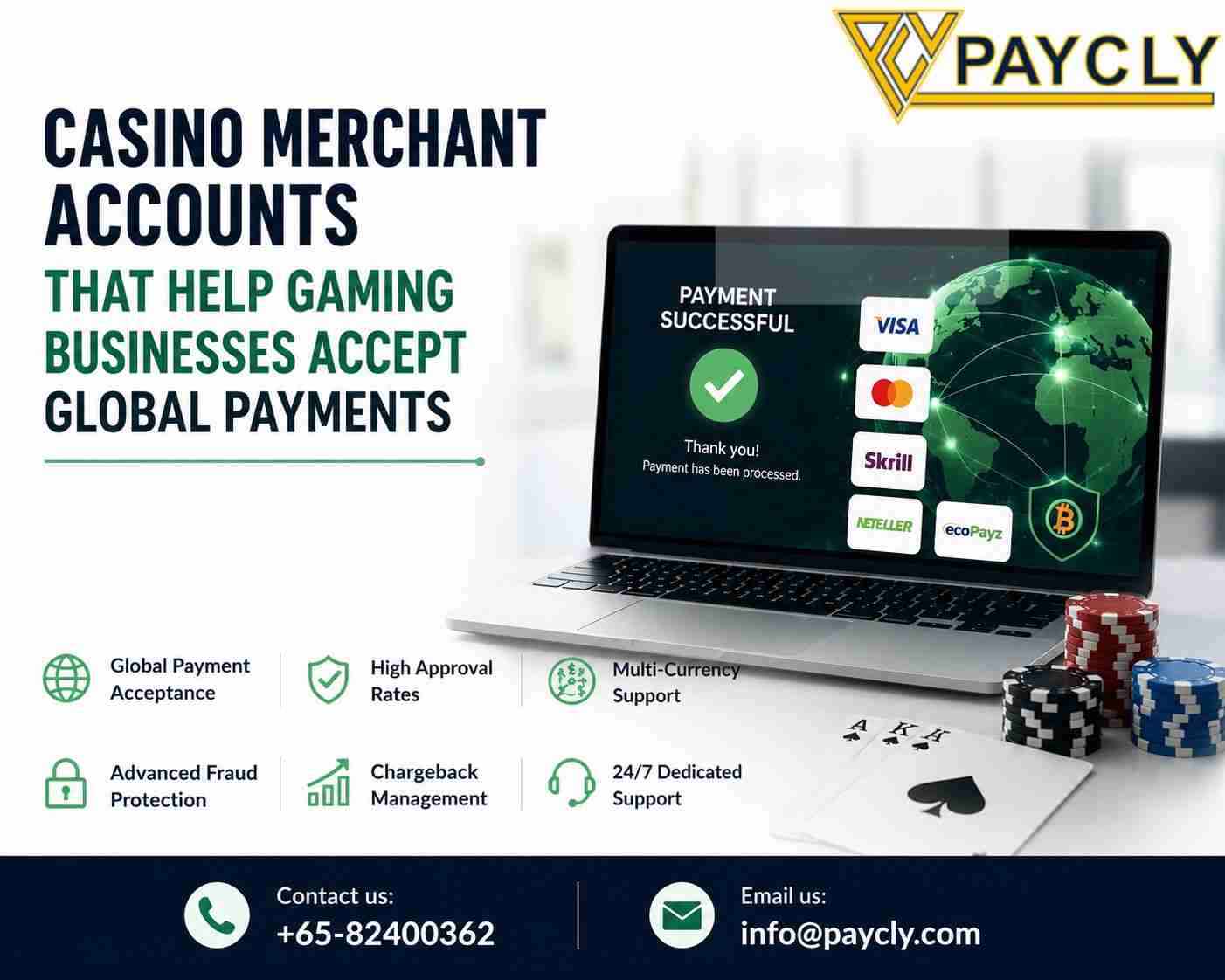
A specialized gaming merchant account is built for gaming transaction patterns rather than standard retail payments. It usually includes:
Multi-currency payment processing
Global acquiring connections
Higher gaming approval rates
Chargeback management tools
Fraud prevention technology
Recurring billing support
Dedicated risk monitoring
The goal is not simply to process payments. The goal is to keep legitimate players depositing smoothly while controlling fraud and compliance risk.
Local Currency Creates a Better Player Experience
Think about your own online shopping habits. If prices appear in an unfamiliar currency, you hesitate. Gaming players behave the same way.
Displaying deposits and subscriptions in USD, GBP, EUR, CAD, AUD, SGD, or AED makes the checkout experience feel local and trustworthy. Operators frequently see better conversion rates when players can pay in their preferred currency.
For global gaming platforms, multi-currency payment processing is often one of the quickest ways to improve deposit completion rates.
Fraud Prevention Without Frustrating Players
Cross-border gaming attracts fraud attempts ranging from stolen cards to account takeover attacks. The challenge is finding the balance between security and convenience.
Modern gaming payment gateways typically use:
3D Secure 2 authentication
Device fingerprinting
Velocity controls
AI-driven fraud scoring
Geolocation checks
Real-time transaction monitoring
When configured properly, these tools block suspicious activity while allowing genuine players to complete deposits quickly.
Cash Flow Matters More Than Most Operators Expect
One esports platform expanded rapidly during a major tournament season. Transaction volume increased overnight, and the processor initiated a manual risk review. Settlements were delayed just as prize payouts were due.
The financial impact was manageable, but the reputational impact was far more painful. Players began questioning whether payouts would arrive on time.
After moving to a high-risk gaming merchant account designed for fluctuating gaming volumes, the operator gained more predictable settlements and direct access to a risk team that understood tournament-driven transaction spikes.
This is why experienced gaming operators pay close attention to settlement terms, reserve structures, and support responsiveness—not just headline processing rates.
Recurring Revenue Needs Specialized Payment Support
Subscriptions, VIP memberships, season passes, cloud gaming plans, and recurring tournament entries are now common gaming revenue models.
An international gaming merchant account can support:
Tokenized card storage
Recurring billing
Automatic account updates
Retry logic for failed payments
These features help reduce involuntary churn and protect recurring revenue streams.
Compliance Is Part of the Growth Plan
Expanding into regulated markets such as the USA, UK, Europe, Australia, Singapore, and the UAE requires strong payment compliance practices. Providers that specialize in gaming can help merchants navigate onboarding reviews, transaction monitoring expectations, AML requirements, and card-network rules.
Working with a provider that already understands regulated gaming generally makes expansion smoother and reduces the likelihood of unexpected payment disruptions later.
What Gaming Operators Should Look For
When evaluating an international gaming merchant account provider, I recommend focusing on practical operational questions:
Do they already support gaming merchants in your target markets?
What approval rates do they typically achieve for gaming transactions?
How are chargebacks managed?
Are settlements available in multiple currencies?
Is recurring billing fully supported?
Will you have a dedicated account manager?
How quickly does risk support respond during payment incidents?
The cheapest processor is rarely the most profitable if players cannot complete deposits consistently.
Final Thoughts
For gaming platforms based in the United States, international expansion is increasingly a payment challenge rather than a marketing challenge. Players expect fast deposits, local currency pricing, secure transactions, and reliable payouts regardless of where they live.
A well-structured international gaming merchant account helps gaming businesses improve approval rates, reduce payment friction, strengthen fraud controls, support recurring revenue, and scale across regulated global markets with greater confidence.
In my experience, operators that treat payments as a strategic growth function—rather than a back-office utility—tend to expand internationally faster and retain players more effectively. In today’s competitive gaming industry, the right payment infrastructure is not just about processing transactions; it is about creating a smoother player experience that supports sustainable global growth.











Write a comment ...